Garage Door Accessories Parker for Safety, Style, and Performance

A garage door does more work than most people give it credit for. It protects vehicles, tools, seasonal storage, and often the largest entry point into the house. It also takes a beating. Front Range weather brings sun, wind, dust, hail, temperature swings, and the kind of freeze-thaw cycles that expose every weak hinge, seal, and fastener. In Parker, where homes range from newer developments to custom properties with larger detached garages, accessories are not just decorative add-ons. The right ones improve safety, reduce wear, tighten security, and change the way the entire system feels day to day.
That is why the conversation around Garage Door Accessories Parker matters more than it might seem at first glance. A homeowner may start by asking about remotes or decorative hardware, then realize the real upgrade should be better weather sealing, a smart controller, heavier-duty rollers, or a battery backup for power outages. Accessories shape both appearance and function, and the best choices usually come from understanding how the door is actually used, not from buying everything that looks useful online.
Where accessories make the biggest difference
When people hear the word accessories, they often picture cosmetic hardware. Handles, faux hinges, windows, and trim certainly have their place, especially on carriage-house style doors or upscale homes where curb appeal matters. But in practice, the most valuable accessories are often the ones you do not notice every time you pull into the driveway.
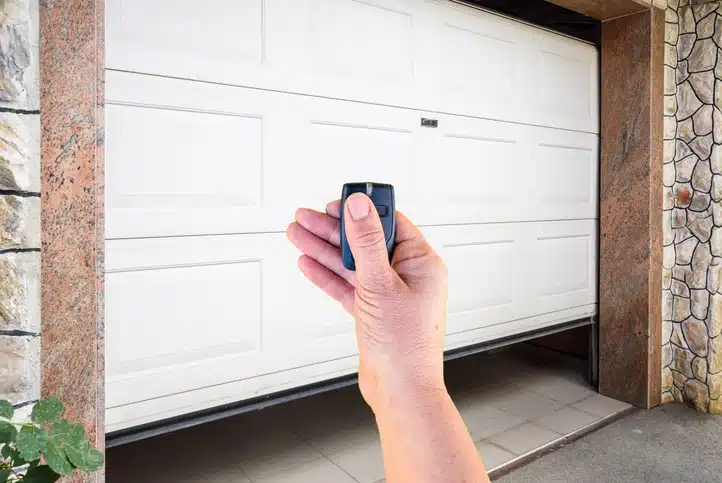
A quality bottom seal, for example, can keep out leaves, dust, and water that would otherwise collect inside the garage. Nylon rollers can quiet a rattling steel door so dramatically that homeowners assume the opener was replaced. A wireless keypad can solve a daily frustration for families with kids, dog walkers, or contractors who need access without spare remotes floating around the house. Add a smart controller, and the garage becomes easier to monitor from anywhere, which is especially useful for people who travel or tend to leave in a hurry and later wonder if the door actually closed.
The strongest results usually come from matching accessories to the home’s real pain points. A garage that faces afternoon sun may need better perimeter seals before it needs decorative upgrades. A household with multiple drivers may benefit more from modern remotes and smartphone control than from cosmetic accents. A detached workshop with expensive tools may justify motion lighting, reinforced locking features, and interior slide bolts for extended trips.
Safety comes first, especially on older systems
The garage door is the largest moving object in most homes. That fact alone should shape how accessories are chosen. Some upgrades are about convenience, but a surprising number directly affect safety.
Photo-eye sensors are a good example. On modern systems, they are standard, but sensors can drift out of alignment, get bumped, or fail over time. Replacing worn brackets or updating old wiring can restore reliable reversal behavior. That matters when children, pets, or stored items pass through the opening. A sensor that works only when the light hits it a certain way is not reliable enough.
Battery backup systems are another upgrade worth serious consideration. Parker does not see constant outages, but losing power during a storm or cold snap is enough of a hassle that many homeowners appreciate having an opener that still functions. If the garage is the primary entry into the home, this accessory quickly stops feeling optional.
Manual release hardware also deserves attention. I have seen plenty of garages where the emergency release cord was either missing, frayed, tied up out of reach, or blocked by stored boxes. The part is simple, but the consequences of neglect are not. In a jammed-door situation, that handle is how you safely disengage the opener and move the door by hand, assuming the spring system is intact and properly balanced.
For security, rolling-code remotes and encrypted smart openers are far better than older fixed-code designs. That upgrade is especially important in neighborhoods where homes sit close together and garage access is visible from the street. Many homeowners do not realize their ten or fifteen-year-old remote technology is not nearly as secure as current models.
The quiet upgrades homeowners appreciate most
Noise is often the reason people first look into accessories. Not because the door is failing, but because the rattling, squeaking, and vibration become hard to ignore when bedrooms sit above the garage or next to it. In those homes, a few well-chosen parts can make a dramatic difference.
Nylon rollers with sealed bearings are one of Garage Door Accessories Parker the best-value improvements available. Compared with old steel rollers, they reduce metal-to-metal noise and usually create smoother travel. Paired with new hinges where needed and proper lubrication in the right places, they can take a harsh, clattering door and make it sound controlled and well-maintained. This does not fix structural problems or bad spring balance, but it does improve the everyday experience in a very noticeable way.
Vibration isolation mounts for the opener can help as well, particularly in finished garages or homes where the opener is bolted rigidly into framing that transmits sound. The same goes for belt-drive opener systems, though that shifts from accessory territory into opener replacement. If the existing opener is in decent condition, however, support brackets, fresh rollers, and a tune-up can still bring the noise level down considerably.
Weatherstripping also affects sound more than most people expect. Side and top seals can soften the edge where wind enters and where panels vibrate against gaps. It is a subtle improvement, but in a windy stretch of weather, it can be the difference between a door that chatters and one that feels settled.
Weather sealing in Parker is not a small detail
Climate should always influence accessory choices. Parker’s combination of dry air, snow events, hail potential, dust, and broad temperature swings is hard on garage door materials. If the garage is attached, those conditions also affect the home’s comfort and efficiency.
Bottom seals wear out from compression, concrete irregularities, and simple age. Once they stiffen or crack, water and debris come in easily. A new seal is one of the least expensive ways to improve performance, but it has to match the retainer style and the floor condition. A homeowner with a slightly uneven slab may need a larger-profile seal rather than a standard replacement.
Threshold seals can help where the floor pitches toward the door or where wind-driven rain sneaks under the bottom edge. They are not the right answer for every garage, particularly if the opening is used by low-clearance vehicles or if the adhesive installation is rushed, but in the right situation they work well.
Side and top weatherstripping deserve equal attention. Sun exposure dries out vinyl and rubber components over time. Once that material curls or hardens, the door loses its close contact with the jamb. In winter, cold air enters. In summer, dust does. If the garage is used as a gym, hobby space, or workshop, those leaks become impossible to ignore.
Insulation kits also come up often in discussions about Garage Door Accessories Parker. They can help, but expectations should stay realistic. An insulation kit may moderate temperature swings and reduce door resonance, especially on uninsulated steel doors, yet it will not transform a garage into conditioned living space if the walls, ceiling, and perimeter seals are still lacking. Done well, insulation is part of a system. Done casually, it becomes a partial fix with underwhelming results.
Security accessories that are actually worth installing
Some garage security products sound better in a catalog than they perform in real life. Others solve clear, recurring problems. The goal is not to turn a residential garage into a bank vault, but to close obvious vulnerabilities and improve awareness.
The most practical options tend to be the ones that combine visibility, control, and restraint:
- smart garage door controllers with open and close alerts
- wireless keypads with temporary or programmable access codes
- motion-activated lighting inside or just outside the garage
- upgraded remotes using current rolling-code technology
- interior slide locks for times when the door will not be used for days
A smart controller is particularly useful for busy households. It sends a notification if the door is left open, allows remote checks, and can often integrate with broader home routines. I have known homeowners who discovered a garage sitting open for hours only because an app notified them after they left for work. That is not a gimmick. That is a real security improvement.
Keypads are underrated. They make life easier for families with teenagers, runners, or service providers, and they reduce the temptation to hide spare keys in all the usual places. The caveat is simple: use a code that is not obvious, change it when household access changes, and mount the unit where weather exposure will not shorten its life.
Motion lighting is another upgrade that punches above its price. Bright, well-placed illumination deters casual snooping and makes nighttime entry safer. For detached garages or side-facing bays, that matters just as much for everyday footing as it does for security.
Style upgrades that add curb appeal without looking cheap
Decorative accessories can elevate a plain garage door, but only if the proportions and finishes match the home. This is where many do-it-yourself upgrades go sideways. Oversized magnetic handles on a small suburban door, mismatched faux hinges, or black hardware slapped onto a warm bronze color scheme can make the door look costume-like rather than architectural.
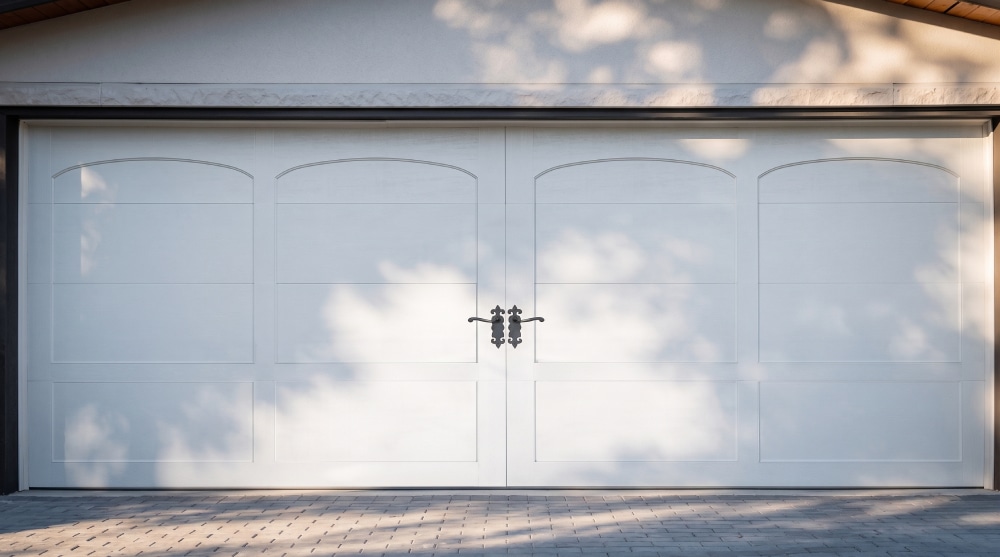
The best cosmetic accessories respect the scale of the door and the character of the house. On a carriage-style design, decorative strap hinges and pull handles can add depth, especially from the street. On a clean modern home, minimal window inserts or low-profile trim often make more sense than ornamental pieces. Color matters, too. Matte black remains popular because it works across many styles, but oil-rubbed bronze, brushed nickel, or color-matched hardware can be better choices depending on nearby lighting fixtures and entry door hardware.
Window inserts deserve special mention because they affect both appearance and function. They can brighten a dark garage and improve the exterior look, yet they also reduce privacy and can slightly change thermal performance depending on the glazing. Frosted or obscured glass often strikes the best balance for attached garages where natural light is welcome but visibility into the space is not.
One common mistake is spending heavily on decorative accents while ignoring the rest of the system. A fresh set of handles does not impress much if the door sags, rattles, or leaves daylight around the edges. Cosmetics should come after the fundamentals are in order.
When upgraded hardware improves performance, not just looks
Some accessories sit in the overlap between maintenance and performance. Heavy-duty hinges, improved brackets, upgraded rollers, better fasteners, and reinforced struts can all change how a door operates, especially if it is oversized or sees frequent use.
This is most obvious on larger double-wide doors. Wider doors flex more, and over time that movement stresses hinges and panel joints. A reinforcement strut can help keep the top section stable, which is especially important if an opener is pulling on it daily. Wind load also matters in exposed areas. While not every home needs a heavily reinforced setup, there are cases where extra support is a sound investment rather than overbuilding.
Rollers are another area where people buy the cheapest option and regret it. Light-duty rollers may work for a while, but better bearings and stronger stems tend to last longer and run more smoothly. If a garage door cycles several times a day, every day, that difference shows up quickly.
There is also a judgment call on how far to go with upgrades if the door itself is aging out. A twenty-year-old builder-grade door with rust at the bottom, soft spots in trim, and a tired opener may not justify premium accessories across the board. In that case, selective safety items and minimal repairs make sense while the homeowner plans for replacement. Throwing expensive add-ons at a worn system is rarely the smartest use of budget.
Choosing accessories based on how the garage is used
One reason accessory decisions vary so much is that garages serve completely different purposes from one home to the next. Some are simple vehicle bays. Others store sports gear, tools, freezers, and holiday decorations. Some double as workspaces or home gyms. A few are almost extensions of the house.
That use pattern should guide every decision. A family using the garage as the primary entry point may prioritize smart controls, keypads, and quieter rollers because the door cycles constantly. A hobbyist working in the garage on weekends may care more about lighting, seals, and insulation. Someone with a custom detached garage for equipment or project cars may emphasize security, reinforced hardware, and reliable backup power.
A practical way to think about it is to separate needs from nice-to-haves:
- daily convenience, such as remotes, keypad access, and app control
- environmental control, such as bottom seals, perimeter weatherstripping, and insulation
- safety and reliability, such as sensors, battery backup, and stronger hardware
- appearance, such as handles, hinges, and window upgrades
- security, such as lighting, code protection, and monitoring
Homeowners often discover that one category outweighs the rest once they look honestly at how the space is used. That clarity prevents overspending on trendy accessories that do not solve the real issue.
Installation quality matters as much as the accessory itself
Even excellent accessories can disappoint if they are installed poorly. I have seen premium weather seals leave gaps because the tracks were never checked, decorative hardware mounted crooked by a few millimeters that looked “off” forever, and smart controllers blamed for problems that were actually caused by weak Wi-Fi signals in the garage.
Fit matters. Alignment matters. Compatibility matters. Garage door systems are not all interchangeable, even when packaging makes them seem universal. Roller stem length, retainer style, track gauge, opener logic board compatibility, and door thickness all come into play. That is where experienced judgment pays off.
There is also the question of what should not be treated as a do-it-yourself project. Cosmetic hardware, some remotes, keypads, and certain smart accessories are often manageable for careful homeowners. But anything tied to spring tension, cable routing, major structural reinforcement, or opener force settings should be handled professionally. The risk is not theoretical. Torsion systems store enough energy to cause serious injury if mishandled.
Signs it is time to upgrade accessories instead of waiting
People often wait until something fails outright, but garage doors usually give early warnings. A keypad that works only intermittently, a seal that leaves dirt lines inside the threshold, rollers that wobble, or a remote with shrinking range are all signs that parts are aging out. So is a door that suddenly sounds harsher than it did a few months ago.
The same goes for lifestyle changes. If a child is now old enough to come home before the parents, keypad access becomes more useful. If a household adds an electric vehicle and charging equipment, better lighting and security may move up the priority list. If the garage becomes a workspace, insulation and sealing start to matter a lot more than they once did.
Small upgrades done at the right time are usually cheaper and less disruptive than waiting for a cluster of issues to develop. A fresh set of rollers, new seals, and a tuned opener can extend the comfortable life of an otherwise solid door. On the other hand, if multiple components are failing together, that often signals a broader conversation about replacement.
Getting the balance right
The most successful garage door upgrades do not come from chasing every available add-on. They come from choosing accessories that match the door, the home, the climate, and the way the space is used. In Parker, that often means taking weather exposure seriously, not neglecting security, and remembering that quiet operation and dependable access improve daily life more than most homeowners expect.
Garage Door Accessories Parker is not really a niche topic once you live with the consequences of a poor seal, an outdated remote system, or noisy worn hardware. These details affect safety, curb appeal, reliability, and convenience every single week. The good news is that smart accessory choices do not have to be flashy to be worthwhile. Often, the best upgrade is the one that makes the door feel solid, secure, and effortless every time it moves.
Select Garage Doors
11479 Pine Dr
Parker, CO 80134, United States
Phone: (303) 228-0018
FAQ About Garage Door Accessories Parker
Where can I find garage door accessories?
Garage door accessories are available from garage door service companies, authorized dealers, home improvement stores, and specialist suppliers. Select Garage Doors supplies and installs accessories for homeowners in Parker, including compatible remotes, wireless keypads, weather seals, and smart controls. Check your opener model and door specifications before choosing a replacement or upgrade.
How to make a garage door more attractive?
Cleaning the door, refreshing a manufacturer-approved finish, and choosing coordinated decorative handles or hinge accents can improve its appearance. Compatible window inserts may also change the look of an existing window section. Match accessories to the door material and style, and make sure added hardware does not interfere with movement, seals, or safety equipment.
Where can I buy garage door inserts?
Decorative window inserts can be sourced through the door manufacturer, an authorized garage door dealer, or a supplier that carries parts for your specific door series. Match the model, window frame dimensions, and attachment system; inserts are not universally interchangeable. Ask a professional to confirm compatibility before ordering, especially if the work involves glass or changes to a door section.
Corrections
Spot something wrong? Send it to the desk and it gets fixed in the open.